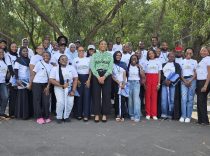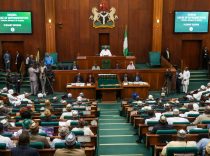

The House of Representatives Committee on Public Petitions held a retreat supported by the Policy and Legal Advocacy Centre (PLAC) and the European Union in Nigeria, bringing together key stakeholders to examine ways of strengthening citizens’ access to justice and improving the effectiveness of public redress mechanisms.
The retreat provided an opportunity to reflect on the Committee’s constitutional mandate, review its achievements and challenges, and identify priorities for strengthening its role in promoting accountable and responsive democratic governance.
Strengthening Access to Justice
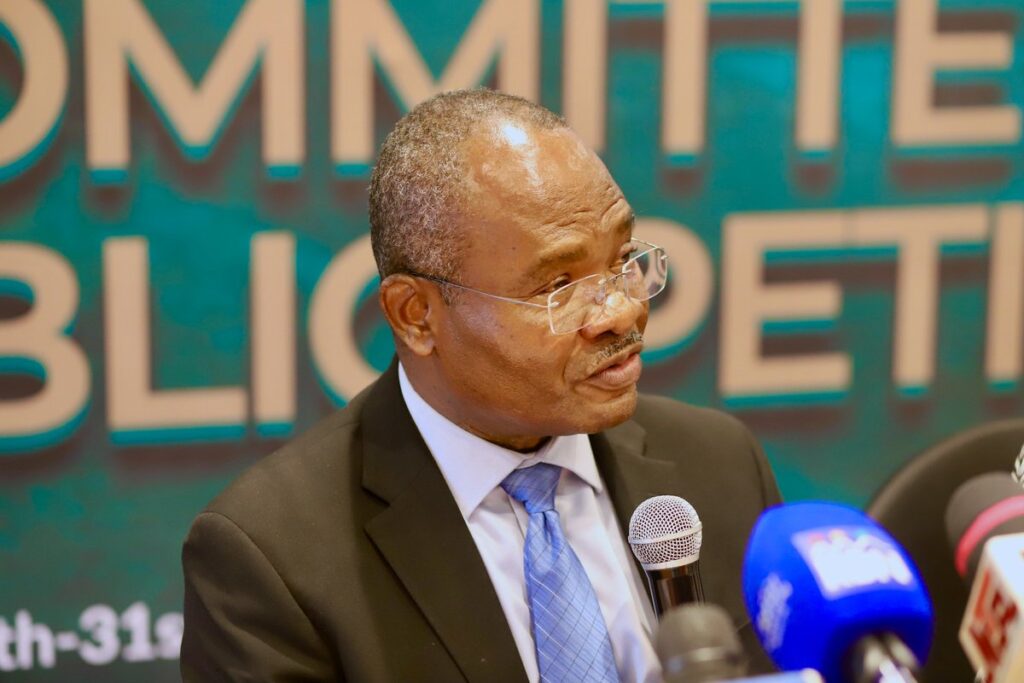
In his welcome remarks, Clement Nwankwo, Executive Director of PLAC, emphasised the importance of access to justice and highlighted the role of the House Committee on Public Petitions in providing citizens with an accessible avenue for seeking redress.
He noted that the Public Complaints Commission (PCC) is among the institutions established by the Constitution, underscoring the importance attached to protecting citizens’ right to seek redress and ensuring that grievances can be addressed through credible institutional mechanisms.

Building Effective Citizens’ Redress Mechanisms
Hon. Bashir Abubakar, MFR, Chief Commissioner of the Public Complaints Commission, emphasised the importance of close collaboration among institutions responsible for citizens’ redress.
He noted the complementary roles played by the Public Complaints Commission and the House Committee on Public Petitions, stressing that effective cooperation between both institutions is essential to ensuring that citizens have confidence in an accessible, credible and effective pathway to justice.
Reviewing the Committee’s Work and Challenges
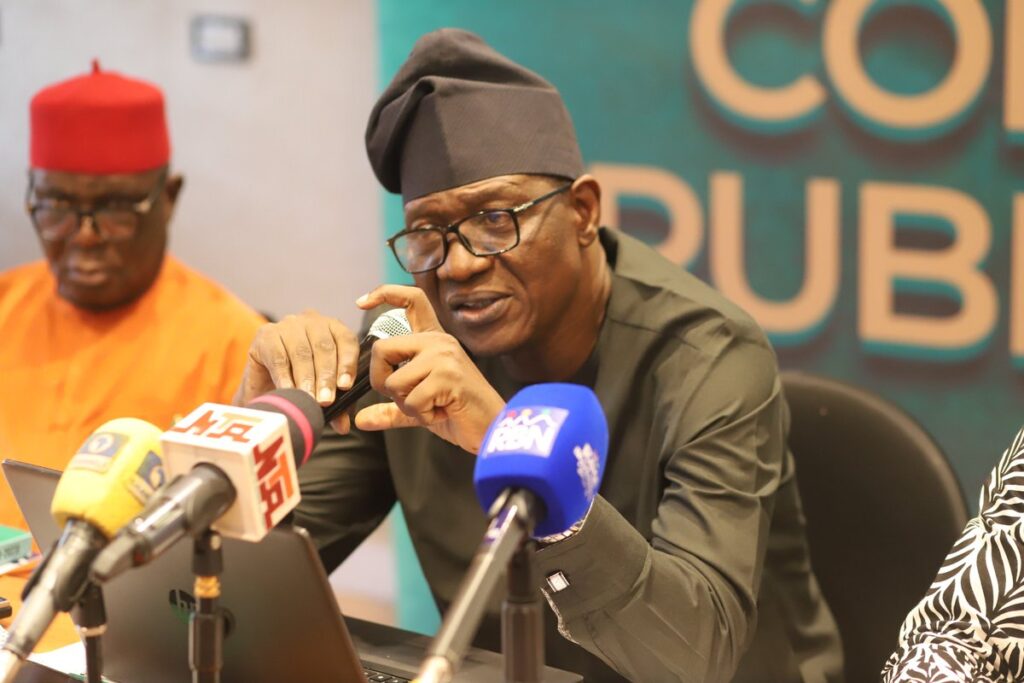
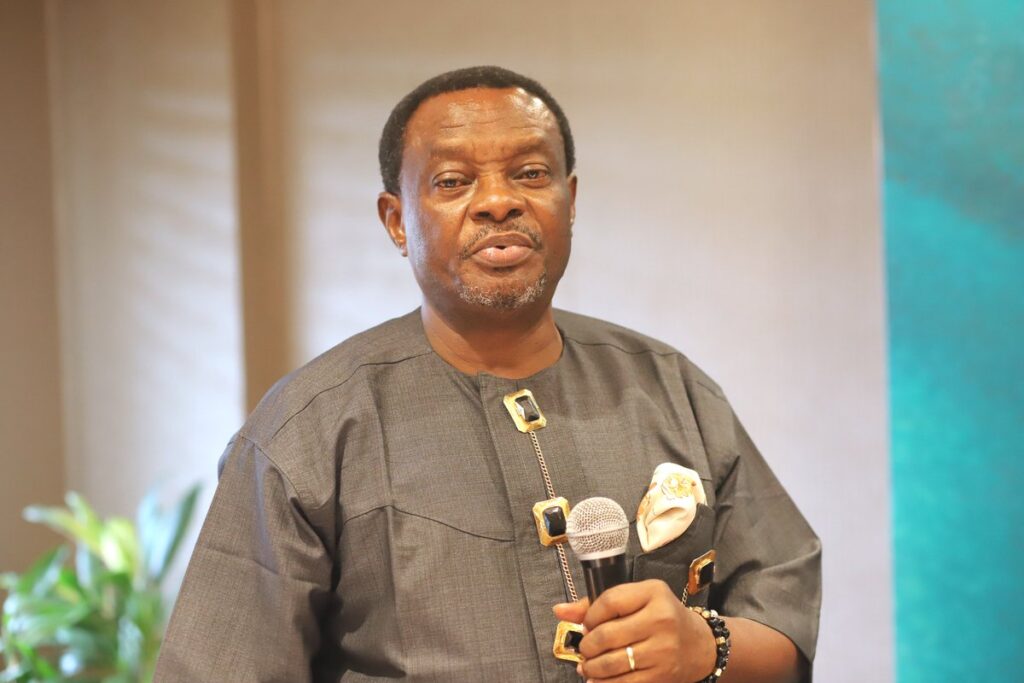
Hon. Bitrus Kwamoti Laori, Chairman of the House Committee on Public Petitions, noted that the Committee’s mandate is rooted in the Constitution and remains central to strengthening public confidence in democratic governance.
He disclosed that the Committee has received 980 petitions, of which approximately 200 have been concluded. He identified poor compliance by Ministries, Departments and Agencies (MDAs) and the need for stronger digital record-keeping systems as some of the key challenges affecting the Committee’s work.
The figures highlighted both the scale of citizens’ reliance on the Committee as a mechanism for redress and the need to strengthen institutional processes for more effective handling and resolution of petitions.
Consolidating Outcomes and Priorities
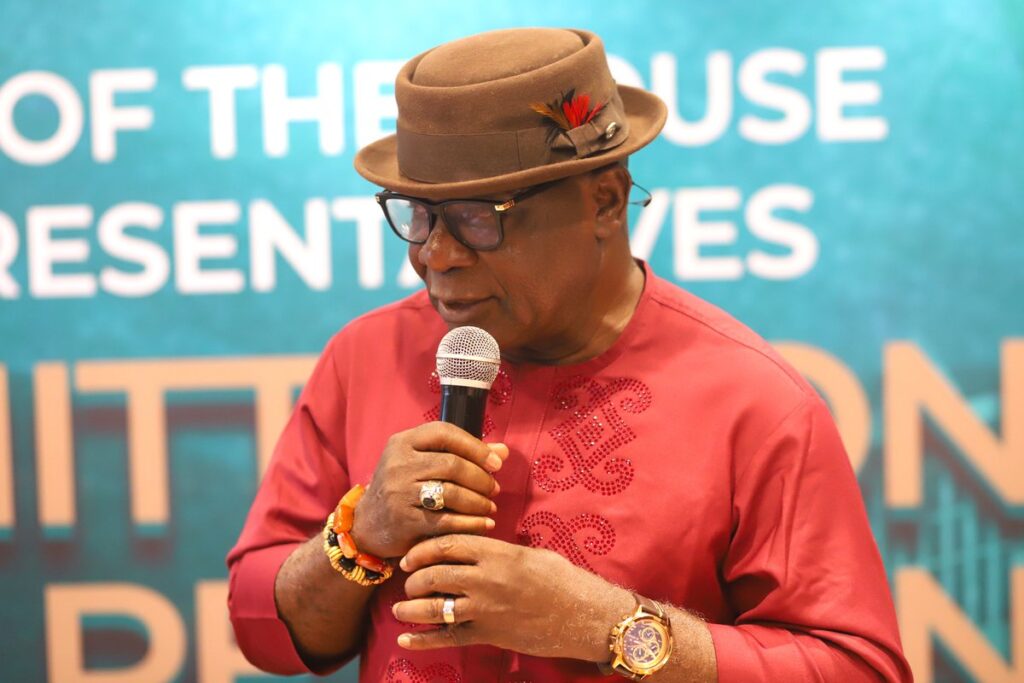
The retreat also featured a presentation by Prof. Adewale Aderemi, Director of Democracy and Governance at the National Institute for Legislative and Democratic Studies (NILDS).
His presentation, titled “Strengthening the Public Petitions Committee as a Mechanism for Citizen Redress: Consolidating Outcomes and Priorities in the Final Year of the 10th Assembly,” examined opportunities for strengthening the Committee’s effectiveness and consolidating its achievements and priorities as the 10th Assembly enters its final year.

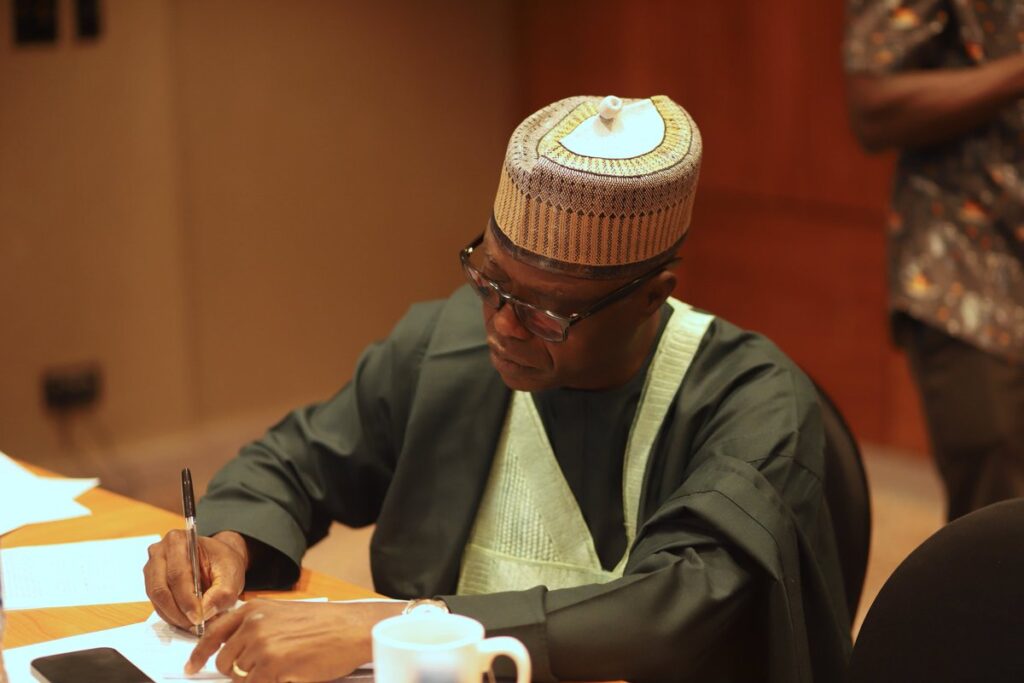
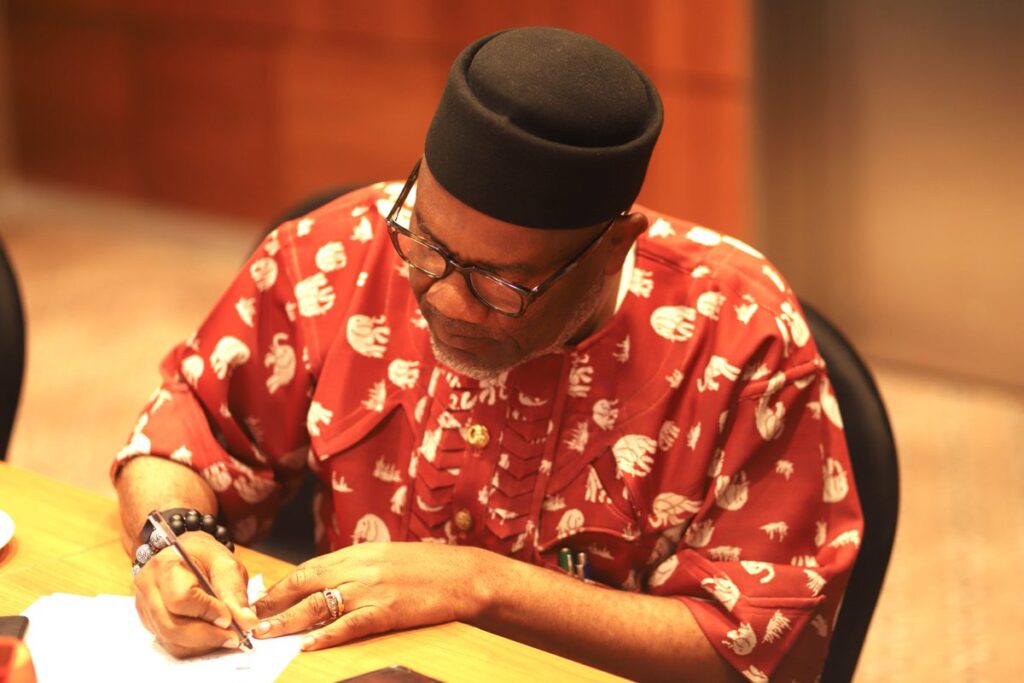
The retreat provided an important platform for stakeholders to reflect on the Committee’s role in citizen redress, access to justice and democratic accountability, while identifying practical measures to improve its capacity to respond effectively to citizens’ petitions and strengthen public confidence in democratic institutions.