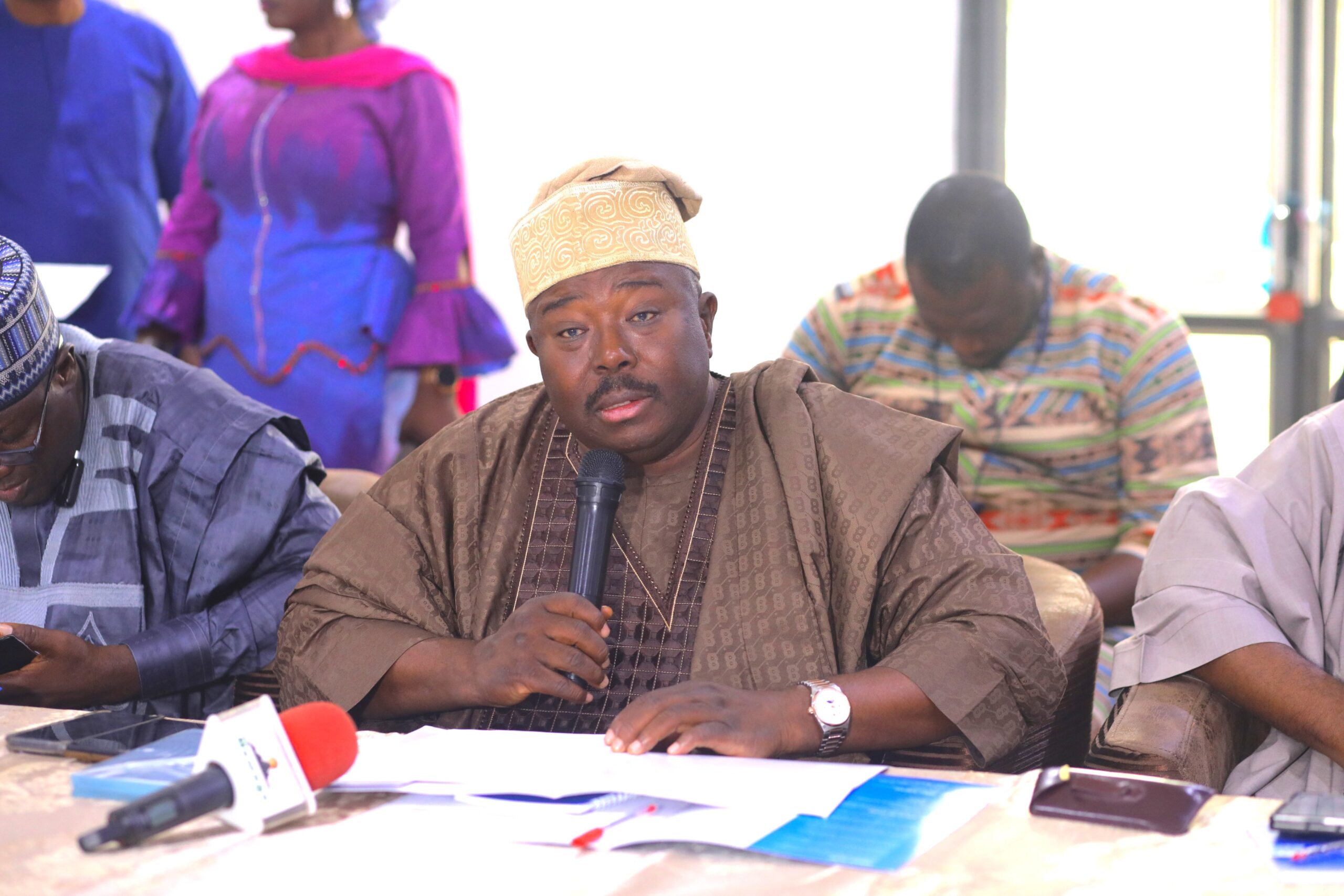
The Senate Committee on Agricultural Colleges and Research Institutions convened a Post-Legislative Summit on 17 August 2026, with support from the Policy and Legal Advocacy Centre (PLAC) and the UK Foreign, Commonwealth & Development Office (FCDO).
The summit aimed to review the issues identified at the Agricultural Summit and Expo held in Ibadan, Oyo State, on 13 – 14 May 2026 and consider practical measures for strengthening the contribution of agricultural colleges and research institutions to food security, agricultural innovation and economic development in Nigeria.
The engagement brought together members of the National Assembly, representatives of agricultural colleges and research institutions, government agencies, academia and other stakeholders in the agricultural sector.
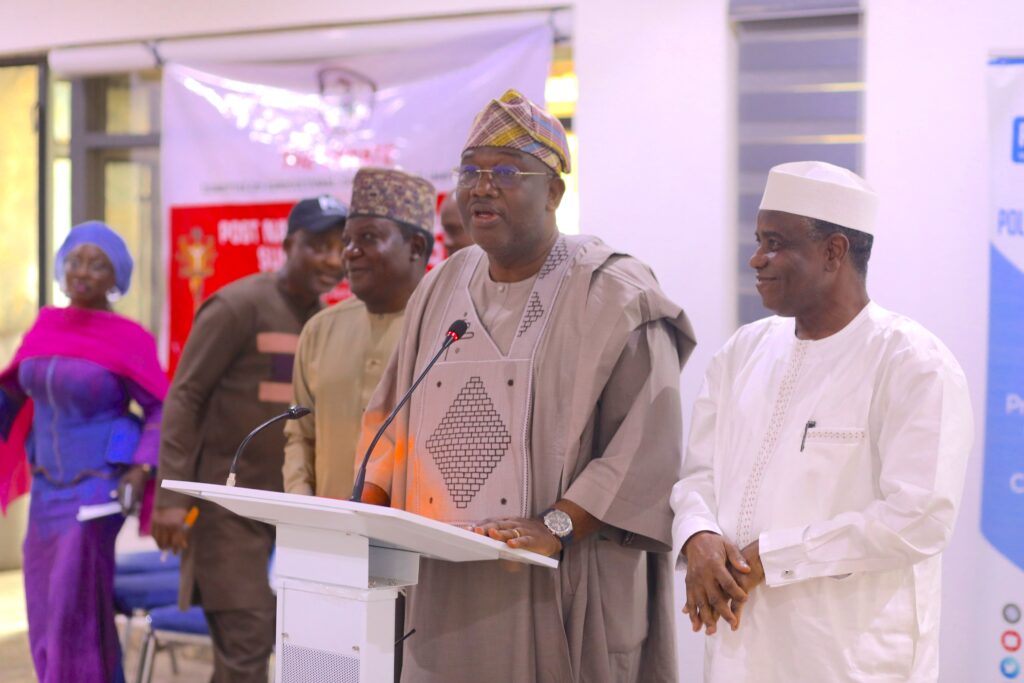
Discussions focused on institutional coordination, funding, agricultural research, curriculum reform, climate-smart agriculture, biotechnology, digital agriculture, data analytics, market linkages and extension services, as well as the relationship between research institutions, farmers, state governments and the private sector.
The discussions highlighted the need for agricultural education and research to respond more closely to the demands of a changing sector.
Reforming Agricultural Education and Research
The discussions highlighted the need for agricultural education and research to respond more closely to the changing demands of the sector. Participants called for curricula that incorporate digital and climate-smart agriculture, biotechnology, data analytics and practical fieldwork.
They also emphasised stronger links between agricultural institutions, farmers, markets and the private sector to ensure that research and training produce practical solutions and create opportunities across the agricultural value chain.
The Summit also revisited challenges identified at the Agricultural Summit and Expo in May 2026. Agricultural colleges and research institutions were recognised for their contributions to manpower development, technology, innovation and farmer engagement, but inadequate funding, deteriorating infrastructure and limited access to modern equipment continue to constrain their capacity.
Limited weather stations and unreliable weather data also make forecasting more difficult and constrain the adoption of climate-smart agricultural practices. Weak links between agricultural institutions, farmers and the private sector limit the practical application of research and training.
Policy inconsistencies, regulatory uncertainty, and institutional management challenges also affect the ability of these institutions to fulfil their mandates, while insecurity continues to disrupt engagement with farming communities.
Strengthening Agricultural Research
The Agricultural Research Council of Nigeria was identified as having an important role in coordinating the national agricultural research system and addressing gaps that contribute to duplication and inefficient use of resources.
Participants also proposed a national agricultural research policy that would provide a clearer framework for sustainable research funding, knowledge exchange, and stronger links between research institutions and farmers.
The importance of strengthening colleges of agriculture was also emphasised, particularly in developing the middle-level technical workforce required by the sector and creating greater opportunities for young people in agriculture and agribusiness.
Improved coordination among government agencies, stronger engagement with the private sector and greater involvement of development partners were also identified as ways of strengthening institutional capacity and mobilising additional resources for research, training and related programmes.
The Role of the Legislature
The role of the legislature featured throughout the engagement, particularly in creating an enabling legal and policy environment for agricultural colleges and research institutions to fulfil their mandates.
The Post-Legislative Summit provided an opportunity to examine how existing laws and policies are working in practice, consider the institutional challenges affecting implementation, and identify areas where legislative or policy reforms may be required.
Participants also called for the conversation to be taken to a broader platform where federal and state governments, agricultural institutions, farmers, the private sector, financial institutions, development partners and other relevant stakeholders can collectively consider the challenges facing the sector and develop practical responses.
The issues identified at the Agricultural Summit and Expo and the discussions at the Post-Legislative Summit provide a basis for continued engagement across these stakeholder groups.
Sustained attention to funding, institutional coordination, curriculum reform and stronger links between research, farmers and markets will be necessary to strengthen agricultural education and research and improve their contribution to Nigeria’s agricultural development.