

ELECTORAL COLLEGE MODEL FOR WOMEN'S SPECIAL SEATS
Looking for historical information or previous iterations of the Bill?
The Special Seats Bill Overview
It is being proposed as a temporary special measure to increase women’s political representation in Nigeria’s elected legislative institutions at the national and state levels.
As discussions on the Bill are progressing, a revised approach is being proposed for how women would be elected to these additional seats: The Electoral College Model.
But what is the Electoral College Model, and how would women be elected to these special seats through this model?
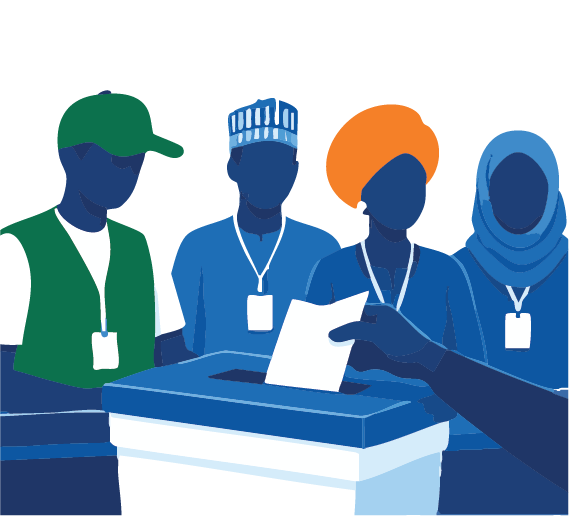
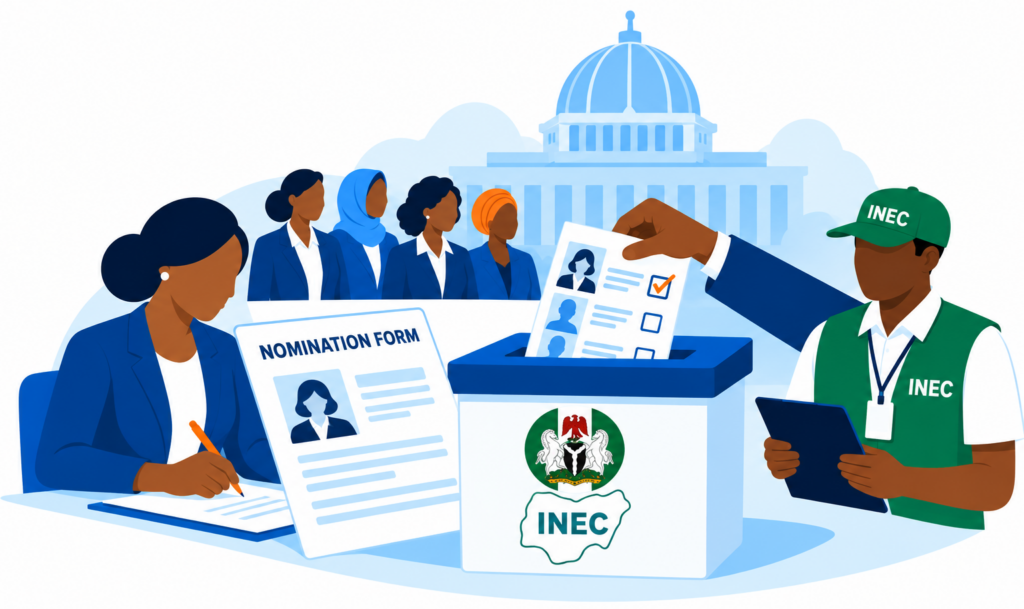
Under the proposed model, women would not be elected to the additional special seats through the general ballot; rather, political parties would nominate women candidates, while an indirect election would be conducted and supervised by
The Independent National Electoral Commission (INEC).
Who Makes Up the Electoral College?

All elected Local Government Chairpersons and their Vice-Chairpersons;

All elected Local Government Councilors

All members representing constituencies in the State House of Assembly

All members of the House of Representatives from the State
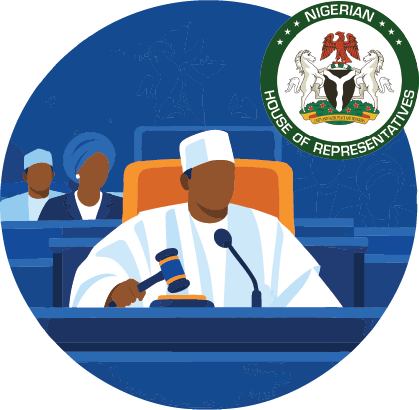
All Senators representing the State.

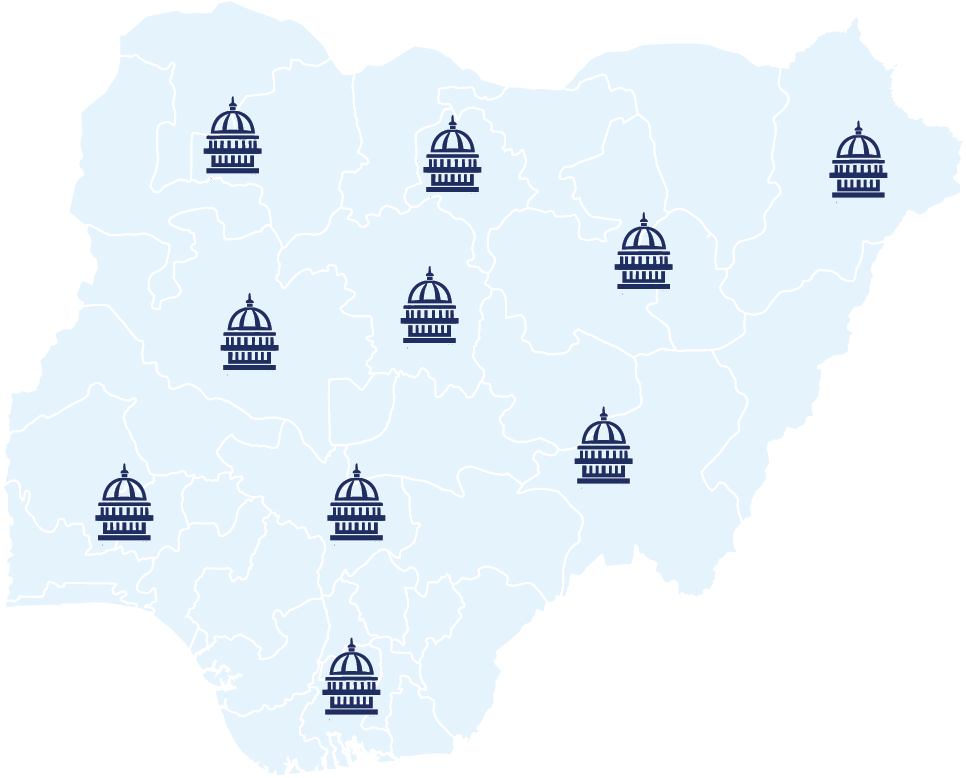
How Many Seats Are Proposed?
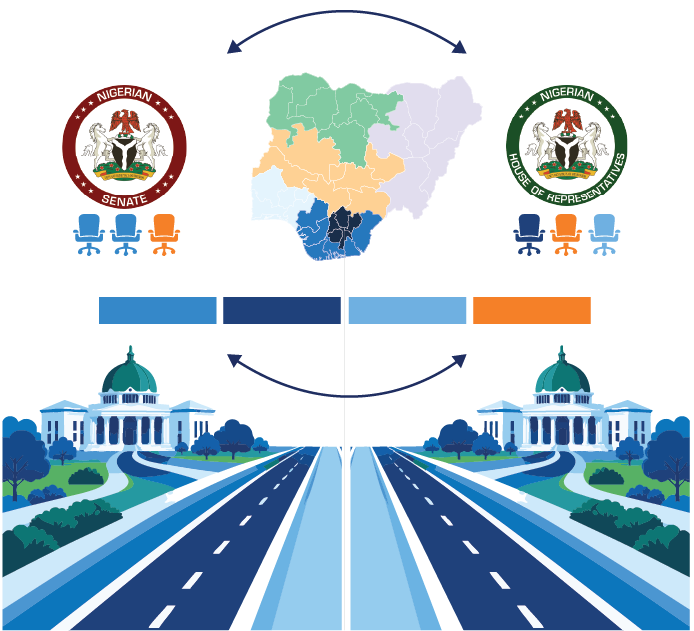
157

12
additional Senate seats — two each from the six geopolitical zones.
37
additional seats are proposed, one additional woman representative from each State and the Federal Capital Territory.
108
additional seats in the State Houses of Assembly
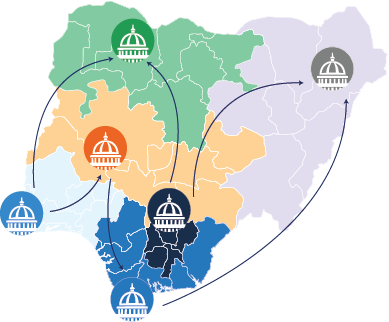
How Would The Election Work?

Political parties nominate women candidates.

The Electoral College is constituted.

INEC conducts the election and Members of the Electoral College vote

The successful candidates are declared elected.