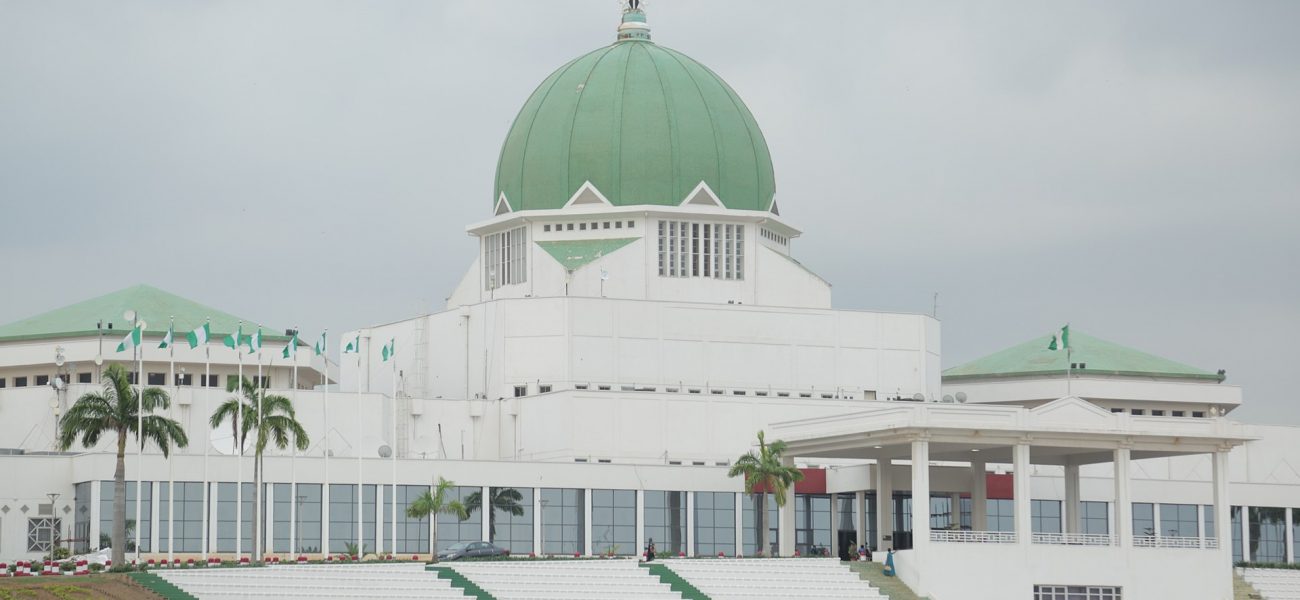
The Nigerian National Assembly has adjourned plenary sittings until Tuesday, 27 January 2026, temporarily suspending legislative debates, bill consideration, and formal oversight activities at a time of heightened national attention on governance and policy direction.
This development comes against the backdrop of persistent economic pressures, ongoing security challenges in many parts of the country, and growing public expectations for governance reforms ahead of the 2027 general elections. With plenary proceedings suspended, progress on pending bills and motions, as well as the formal exercise of legislative oversight, will resume only when lawmakers reconvene later in the month.
Each week of legislative inactivity means delayed laws, postponed accountability, and unanswered national questions. The decision to suspend plenary into late January reinforces a perception of institutional detachment at a time when Nigerians are demanding urgency, transparency, and results amid rising hardship.
Only weeks ago, a controversial bombing in Sokoto, reported to have involved a United States security operation, reignited debate over Nigeria’s sovereignty, the rules governing foreign military engagement on Nigerian soil, civilian protection, and oversight of security partnerships. At the same time, the unfolding impeachment proceedings against the Governor of Rivers State have raised fundamental constitutional questions about due process, federal-state relations, political power, and the role of legislative institutions in preventing abuse.
Yet, while these issues dominate national discourse, the country’s highest lawmaking body has effectively placed itself on pause. The risk of extended inactivity has been compounded by the ongoing Budget Defence exercise, raising the prospect that parliament could remain out of session even beyond the announced adjournment date.
In practical terms, this means that there will be no open legislative interrogation of the Sokoto bombing, no immediate inquiry into how such an operation was authorised, no public examination of its legal basis, no assessment of civilian harm, and no robust debate on reforms to Nigeria’s national security architecture. Similarly, the impeachment crisis in Rivers State, with far-reaching constitutional and political consequences, remains without federal legislative scrutiny.
Parliamentary Practices in Advanced Democracies
In many advanced democracies, parliaments typically limit holiday recesses and resume early in January, especially when urgent national matters require legislative attention. For example:
- In the United States, both chambers of Congress, the Senate and the House of Representatives, are scheduled to be in session from early January, with the Senate reconvening on 5 January 2026 and the House meeting during the first three weeks of January before a brief recess later in the month. This early start is part of a broader legislative calendar that runs throughout much of the year.
- The United Kingdom’s Parliament reconvenes after the Christmas and New Year break on 5 January 2026, marking the end of its year-end recess.
- The European Parliament has scheduled plenary sessions beginning as early as 19 January 2026, and again on 27 January, as part of its regular legislative calendar, showing a pattern of early parliamentary activity in the year.
- In Canada, the House of Commons began sitting in January 2026, with sittings scheduled throughout the latter part of the month.
These examples reflect a broader legislative practice in many democracies: rather than extending holiday breaks deep into January, parliaments usually reconvene early in the year to take up pressing legislative business, including budget debates, oversight hearings, and high-priority reforms.
Why Nigeria’s Extended Recess Matters
The long National Assembly recess is particularly concerning because Nigeria is confronting several urgent national issues that require timely legislative oversight and action:
- Insecurity: Boko Haram, banditry, communal clashes, and other armed threats continue to destabilise communities. Effective legislative oversight is critical to ensuring that security agencies are accountable and that policy responses are both strategic and rights-respecting.
- Electoral Reform: There is a pressing need to review and pass a new Electoral Act well ahead of the 2027 general elections to strengthen electoral integrity, reduce disputes, and enhance public confidence in electoral processes.
- Constitutional Amendments: Important constitutional review proposals, including those relating to governance structures, fiscal federalism, and human rights protections, remain pending, with time running short if reforms are to be enacted before the next electoral cycle.
Despite these imperatives, the National Assembly’s decision to recess until late January without contingency arrangements (such as an extraordinary session) or mechanisms for critical oversight undermines confidence in the legislature’s responsiveness when national stakes are high.
Instead of reconvening in moments of national emergency, the National Assembly has repeatedly proceeded on extended adjournments, allowing critical security incidents and constitutional crises to unfold without timely parliamentary interrogation.
Public Expectations and the Path Forward
As lawmakers prepare to reconvene on 27 January 2026, or potentially later, public expectations are rising. Nigerians will not be looking merely for a return to the chamber; they will be watching for evidence of seriousness, swift consideration of pending bills, robust oversight of the executive, and clear legislative leadership on issues affecting governance, security, and democratic integrity.
The coming resumption will therefore be a test not only of legislative productivity but also of the National Assembly’s commitment to its constitutional role as the guardian of accountability, representation, and the public interest.