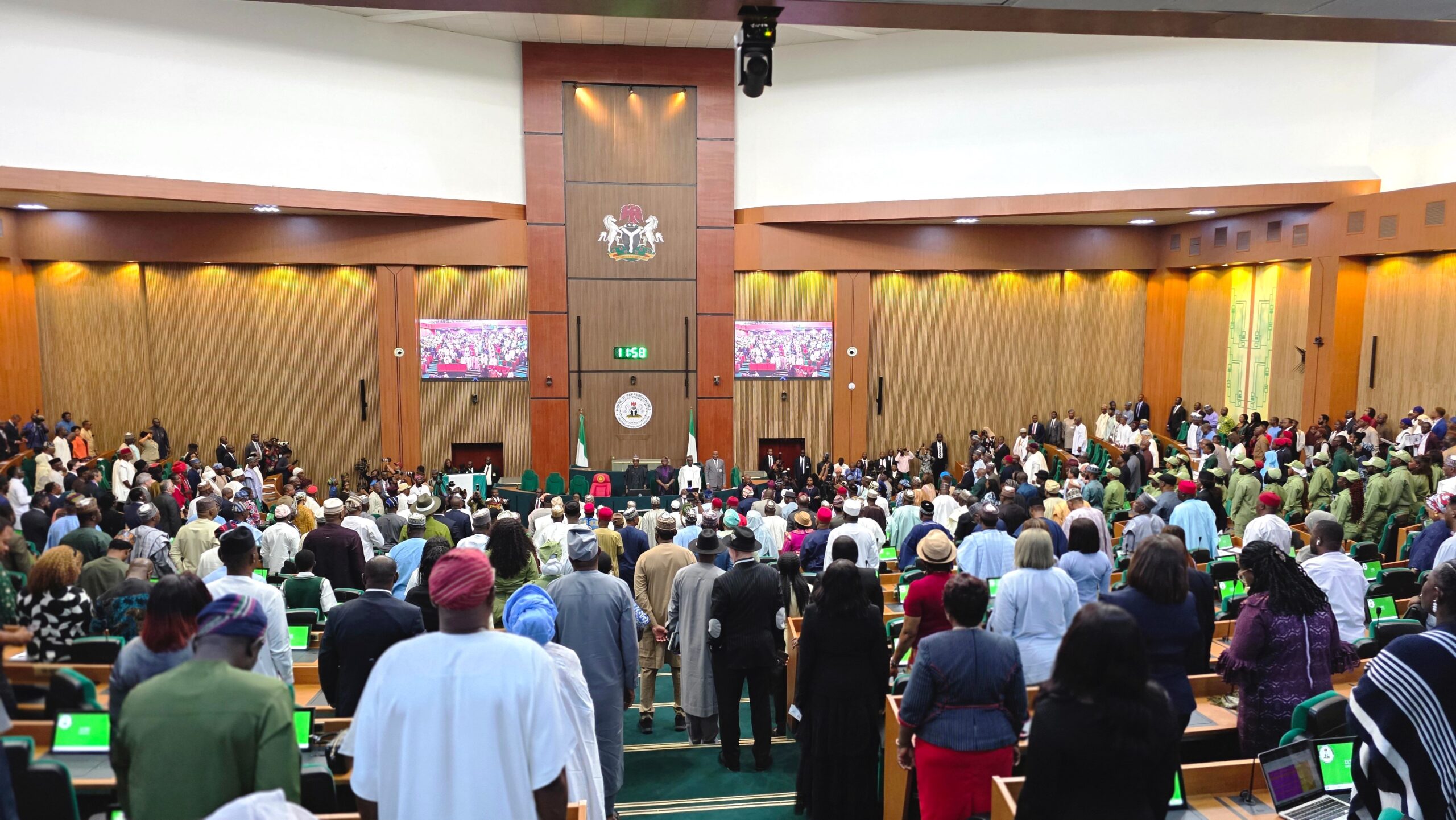
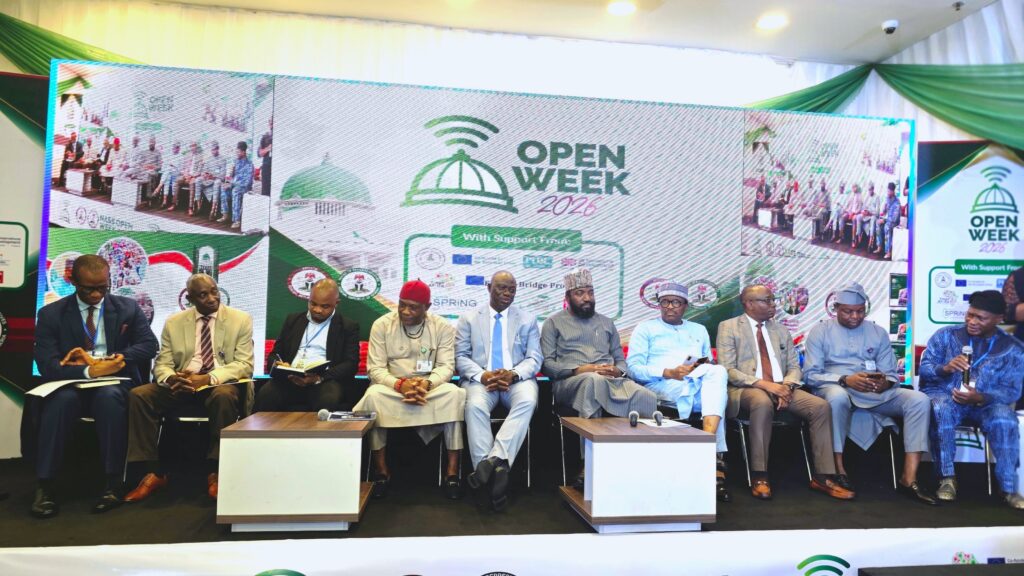
The 2026 National Assembly Open Week, held from 14th – 16th July 2026 under the theme “Three Years of the National Assembly: Advancing Transparency, Inclusion and Reform,” offered more than an opportunity for the 10th National Assembly to present its achievements.
It also provided a forum for legislators, civil society organisations, development partners, the private sector and citizens to examine the challenges that will shape the next phase of legislative reform.
Across the three-day programme, discussions repeatedly returned to four interrelated questions: how Parliament should measure its own performance, how legislative oversight can improve governance, how constitutional reform can strengthen democratic inclusion, and how legislation can create a more stable environment for economic growth.
Throughout these discussions, the Policy and Legal Advocacy Centre (PLAC) contributed to the debate by advancing evidence-based legislative reform, stronger parliamentary accountability and inclusive constitutional governance.
Measuring Parliament Beyond the Number of Bills
One of the clearest messages to emerge from the Open Week was that legislative performance cannot be assessed solely by the volume of bills introduced or passed.
While the House of Representatives presented an extensive legislative scorecard, discussions increasingly focused on whether legislative activity is producing tangible improvements in governance and the lives of citizens.
Questions about the implementation of enacted laws, the effectiveness of parliamentary oversight and the relatively low proportion of bills receiving presidential assent illustrated a broader shift from measuring legislative productivity to evaluating legislative impact.
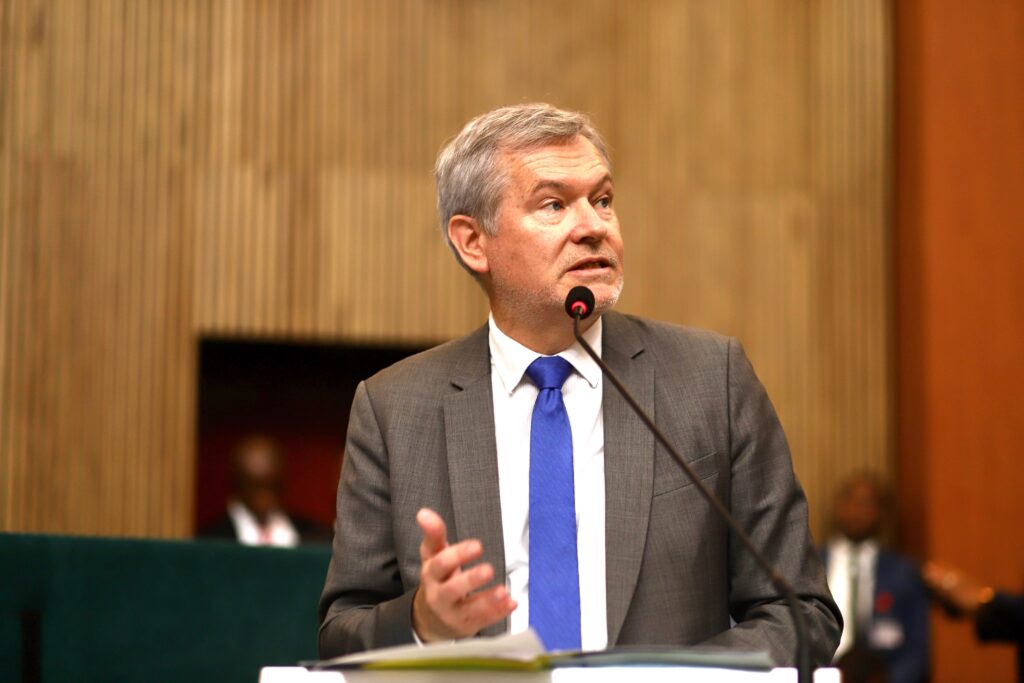
Delivering PLAC’s goodwill message during the opening ceremony, Executive Director Clement Nwankwo welcomed the National Assembly’s continued commitment to parliamentary openness while observing that legislative independence is ultimately demonstrated through effective oversight, meaningful public participation and evidence-based lawmaking.
He acknowledged progress in the Constitution review, legislative reform and digital innovation. Still, he emphasised that Parliament’s role extends beyond passing legislation to holding the Executive accountable and ensuring that public institutions function effectively.
He also reaffirmed PLAC’s commitment to supporting the National Assembly through research, technical assistance, capacity building and initiatives that improve public access to legislative information.
Oversight Must Deliver Better Governance
The discussion on legislative oversight reflected a growing consensus that parliamentary scrutiny should be judged by the quality of its outcomes rather than the number of investigations conducted.
Effective oversight was presented as an essential means of improving public administration, safeguarding public resources and strengthening confidence in democratic institutions.
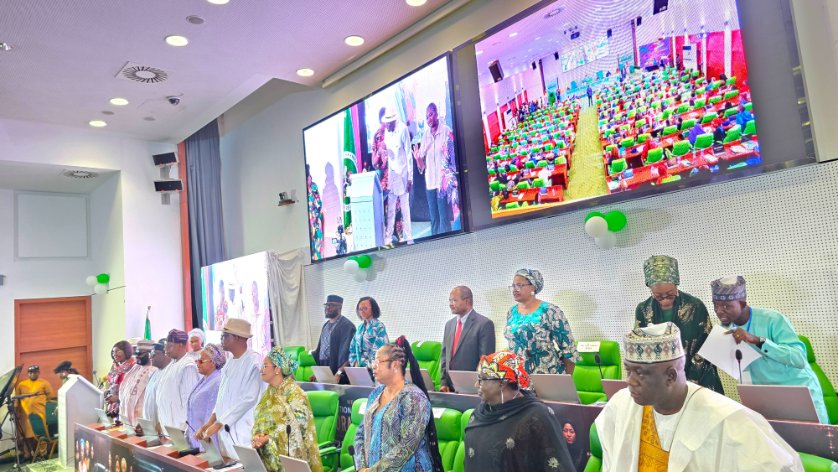
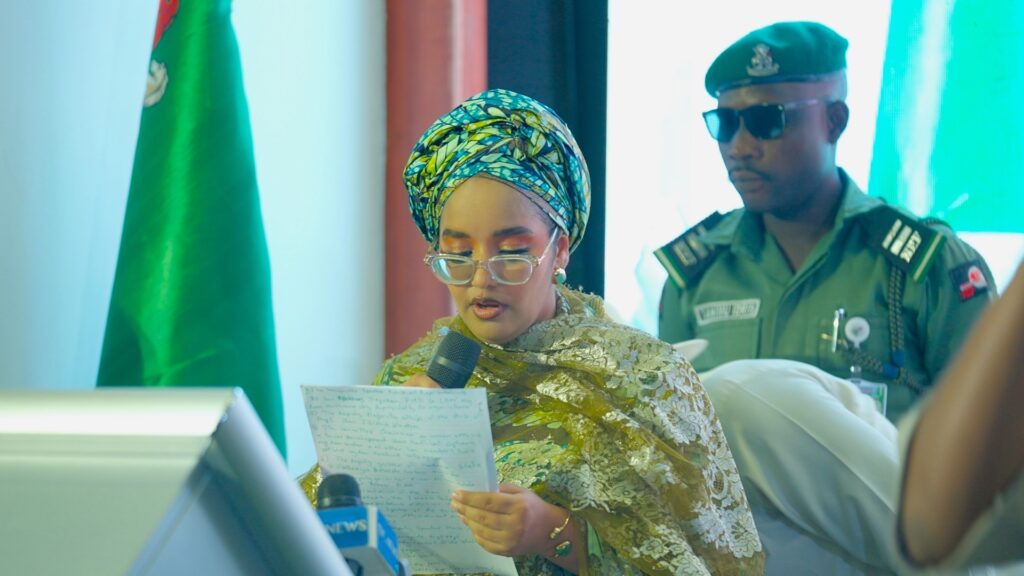
These themes featured prominently during the panel on Oversight, CSOs and Delivery Exchange, where participants highlighted the value of sustained collaboration between Parliament and civil society in generating evidence, monitoring implementation and improving institutional accountability.
The discussion reinforced the important role that civil society continues to play in supporting legislative oversight with credible evidence, technical expertise and sustained policy engagement.
Women’s Representation Remains an Unfinished Constitutional Reform
The Open Week also demonstrated that broad agreement on the need to improve women’s political representation has not eliminated important questions about how to achieve that objective.
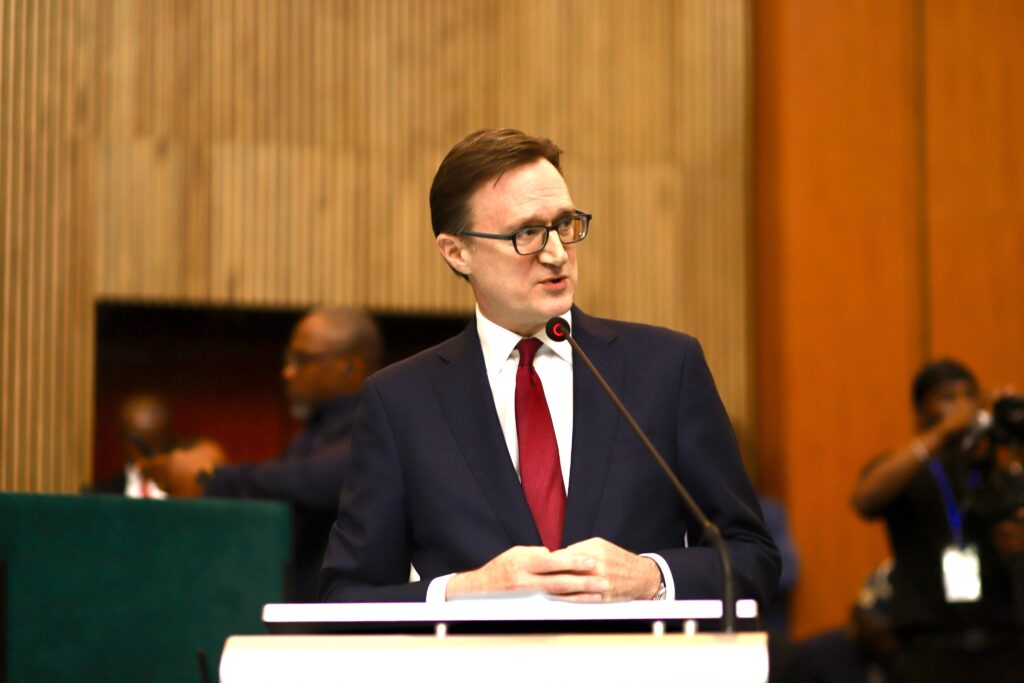
The national dialogue on the electoral college model focused on the proposed Special Seats Bill and the Electoral College Model, bringing together legislators, former parliamentary leaders, civil society organisations, development partners and governance experts to examine both the opportunities presented by the proposal and the constitutional questions that remain.
The discussion complemented ongoing advocacy on the proposed Special Seats Bill by examining the design of the Electoral College Model, comparative experiences from other jurisdictions and the constitutional process required for the amendment.
Participants also considered safeguards to preserve the legitimacy of the proposed model and the importance of sustained engagement with State Houses of Assembly and the wider public.
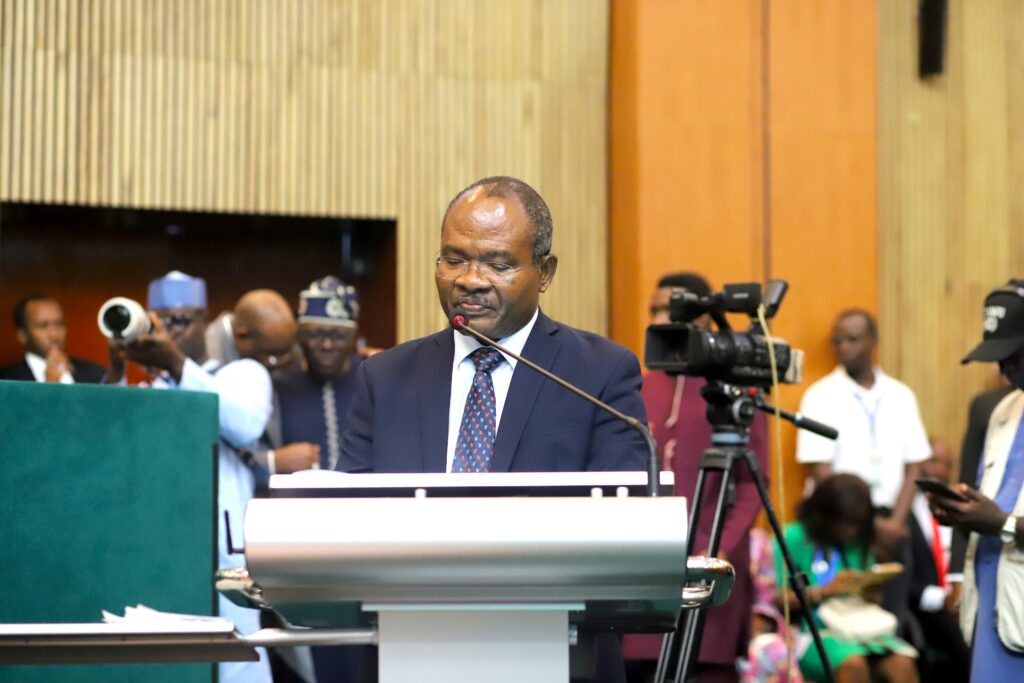
Speaking during the dialogue, Clement Nwankwo observed that the Special Seats Bill has undergone years of consultation and refinement and described it as one of the most significant constitutional reform proposals before the 10th National Assembly.
He noted that its successful passage would represent a defining legislative achievement while reaffirming the importance of continued collaboration between legislators, civil society and development partners in advancing the reform.
Economic Reform Requires Legislative Certainty
The final day of the Open Week broadened the conversation to Nigeria’s economic reform agenda.
Discussions between legislators, the organised private sector and development partners highlighted the need for a legislative environment that promotes investment, reduces regulatory uncertainty and supports long-term economic growth.
Participants identified concerns relating to taxation, access to finance, infrastructure, regulatory efficiency and policy consistency as continuing constraints on business development.
Responding to these concerns, the Speaker of the House reaffirmed the National Assembly’s commitment to strengthening the legislative framework for investment and industrialisation, harmonising taxes and levies, improving access to finance for businesses and enhancing oversight of economic reforms.
He also proposed a National Assembly and Business Executive Roundtable as a structured mechanism for continued engagement between Parliament, the private sector and development partners.
Looking Ahead
The discussions during the National Assembly Open Week demonstrated that legislative reform is entering a more demanding phase.
Questions of implementation, oversight, constitutional design and public participation now matter as much as the passage of legislation itself.
The strength of the 10th National Assembly’s legacy will ultimately be measured by whether its reforms improve governance, strengthen democratic institutions and respond to citizens’ needs.
The conversations held during the Open Week also reaffirmed the value of sustained engagement between Parliament, civil society, development partners and the private sector.
As constitutional amendment and other priority reforms continue, maintaining that dialogue will be essential to ensuring that legislative reforms are informed by evidence, responsive to public concerns and capable of strengthening democratic governance.