
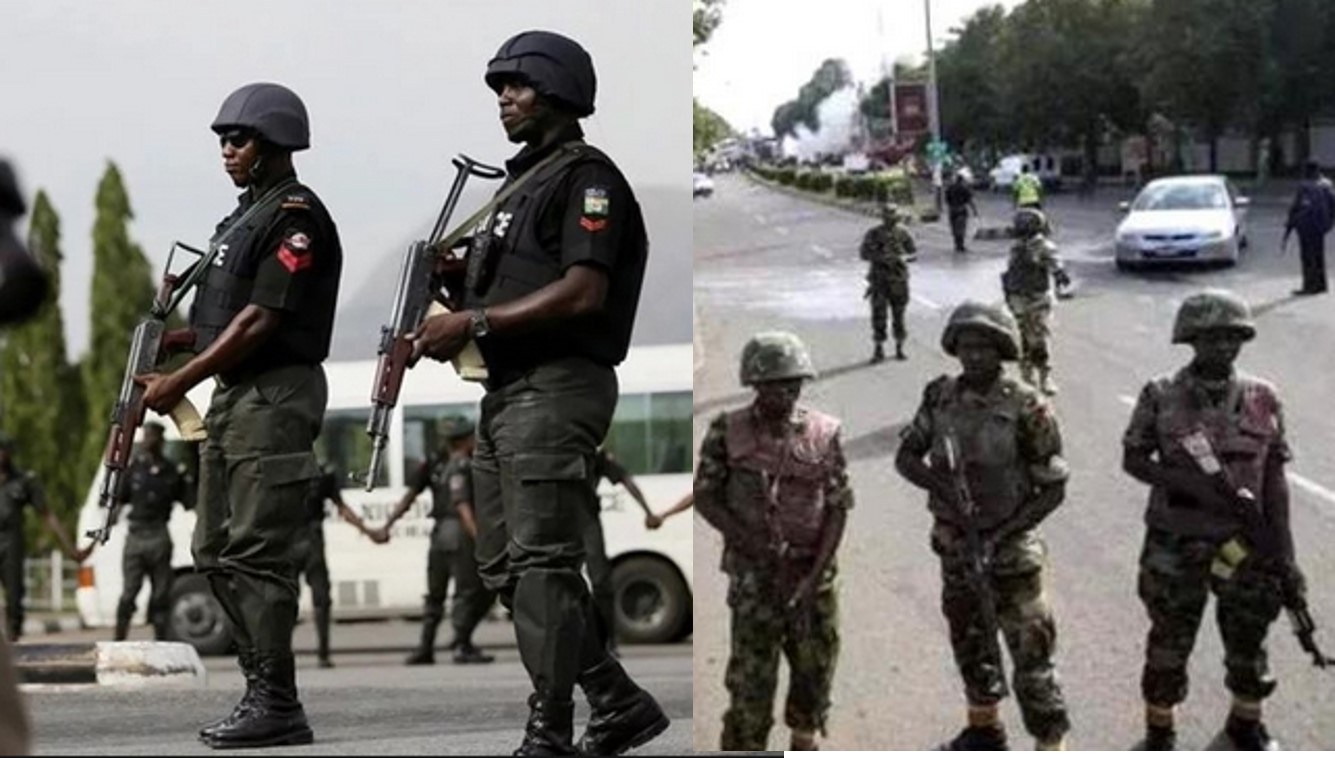
The push for state police in Nigeria has regained momentum, following recent signals from the presidency and the leadership of the Nigeria Police Force that have revived the debate over decentralised policing.
On Wednesday, March 4, 2026, the newly appointed Inspector-General of Police, Olatunji Disu, inaugurated a seven-member committee to develop a framework for the establishment of state police in Nigeria.
The move followed renewed public support for state police by President Bola Tinubu. Tinubu has long advocated for the decentralisation of policing in Nigeria, a position he maintained even during his tenure as Governor of Lagos State.
He reiterated this stance at an interfaith dinner in Abuja on Wednesday, March 4, 2026, where he urged members of the National Assembly to pass the constitutional amendments required to enable the creation of state police.
Section 214 of the 1999 Constitution establishes a single national police force and expressly provides that “no other police force shall be established for the Federation or any part thereof.” As long as this provision remains unchanged, state police has no legal basis.
The issue has already surfaced within the ongoing constitutional review process. Various bills proposing state police have been consolidated into a single State Police Bill by the Senate and House Committees on Constitution Review. The bill is among those expected to be considered and voted by the National Assembly as the amendment process advances.
Like all constitutional amendments in Nigeria, the bill must be passed by both chambers of the National Assembly, be ratified by at least two-thirds of the 36 state Houses of Assembly and receive presidential assent to become operative.